Colleen Marsh, Senior editor
I'm the senior editor here, so a good part of my job is deciding what stays off a list. A machine that's only there because it's on sale this week. A "5x7" claim that turns out to be a 5x7 hoop around a smaller stitch field. A ranking nobody has opened since the prices changed.
My routine is three tabs: the listing, the manual and the buyer reviews. The manual is where the real embroidery area lives, usually in millimetres on a page near the back. Then I read what owners say, and when the same thing shows up again and again (a hoop that pops open mid-design, a file the machine refuses to read, an app that keeps dropping the connection), it goes into the ranking notes.
I write the guides on field size, hoops, design files and what it really costs to get started, and I edit most of the others.
We don't have these machines on a table in front of us, and I'd rather say that plainly than dress it up. We read, we compare, and we keep the lists current.
Areas of expertise
- Stitch field vs hoop size (4x4, 5x7 and up)
- Design files: PES, DST, JEF and getting them to the machine
- Starter budgets: what the machine price leaves out
- Keeping the rankings current
How I work
- Stitch field first, in millimetres, from the manual. The hoop name on the box is a starting point and nothing more.
- I sort owner reviews by what went wrong (hooping, files, thread breaks) before I read the five-star ones.
- A price change or a discontinued model means a fresh look at the whole ranking, not a quiet edit.
- A feature I can't find in the manual or on the spec sheet doesn't earn points.
Articles by Colleen Marsh
Written
 Choosing a machine
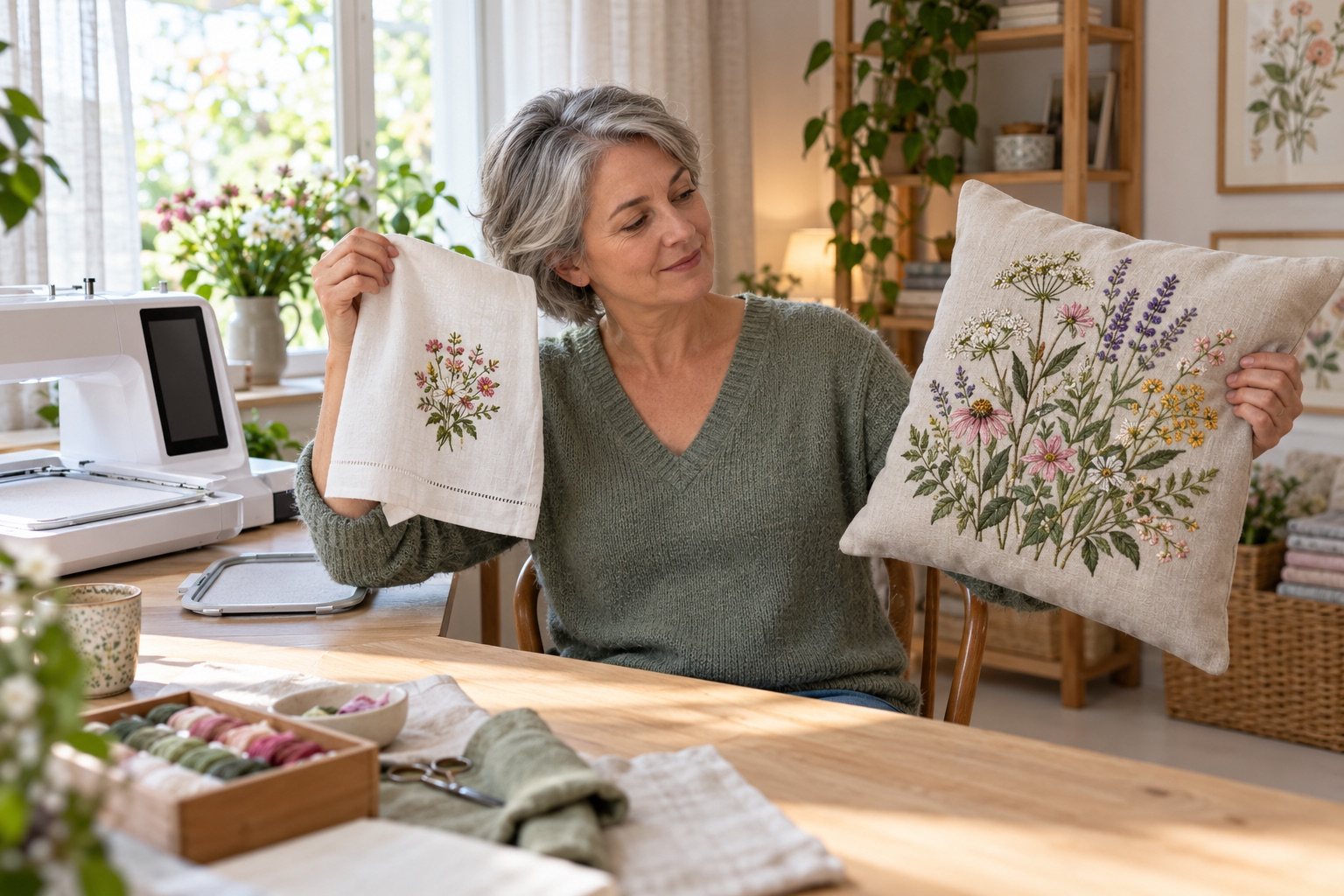
4 x 4 vs. 5 x 7 Embroidery: Which Size Fits Your Projects?
Compare 4x4 and 5x7 embroidery fields with dimensional examples, true-size paper mockups, and checks for design fit, hoops, and rotation.
Read the guide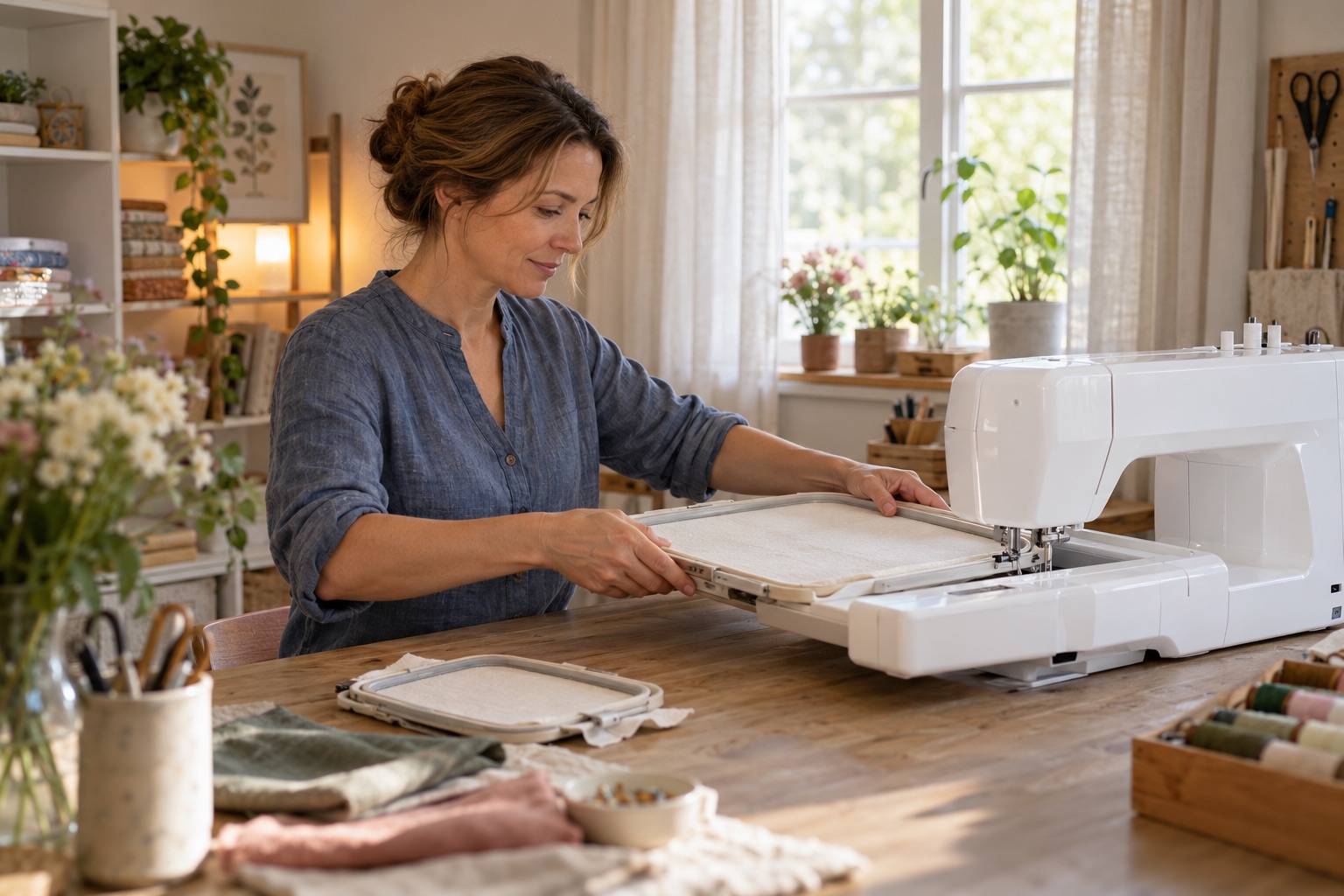 Choosing a machine
Embroidery Hoop Sizes Explained: Will Your Design Fit?
Separate hoop outer dimensions, embroidery field, and model compatibility. Follow a repeatable protocol to check design size and frame fit.
Read the guide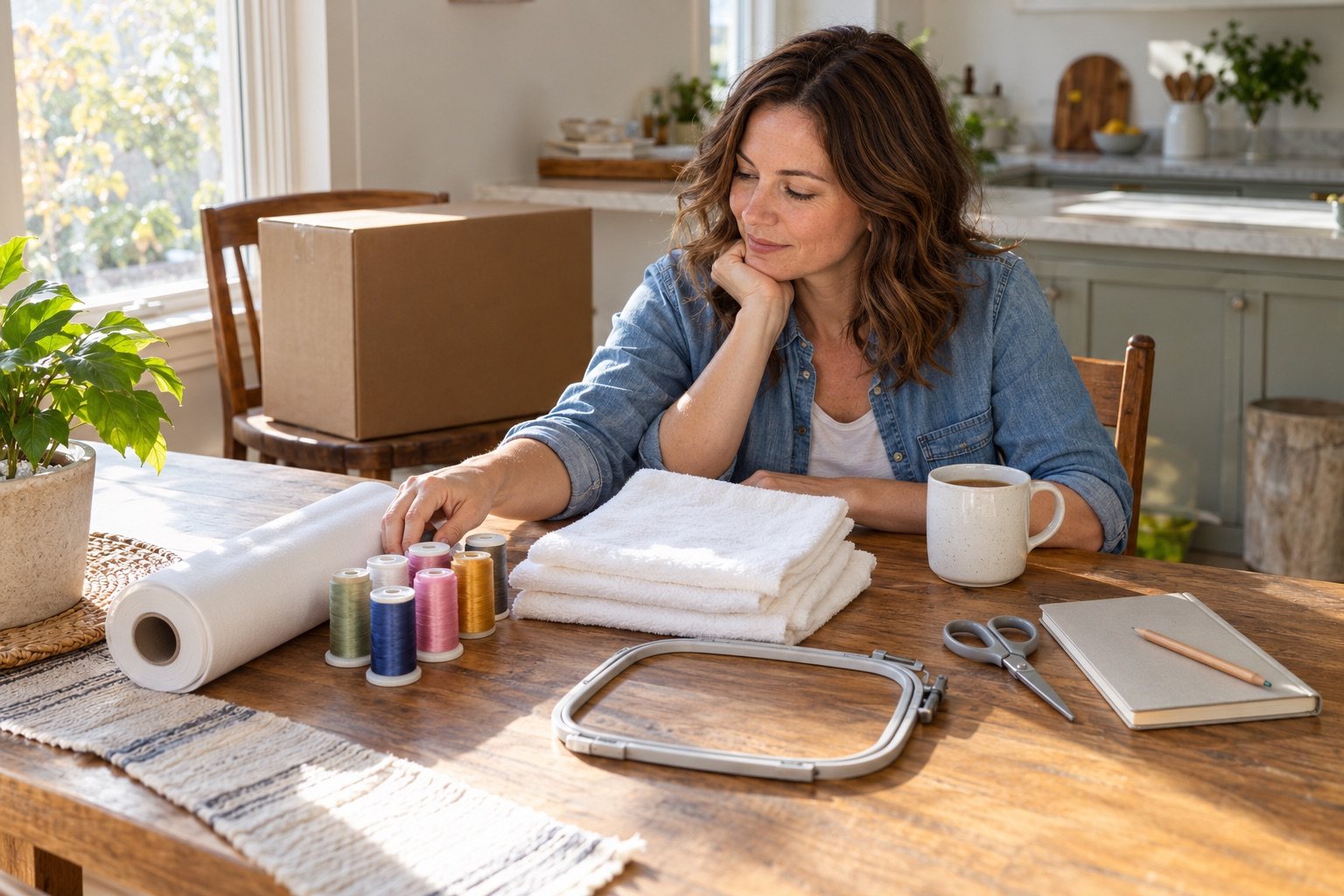 Choosing a machine
The Real Cost of Starting Machine Embroidery at Home
Plan your embroidery machine budget with supplies, practice materials, software, and care costs. Use a clearly labeled example to build your own worksheet.
Read the guide Setup and designs
Embroidery File Formats and Design Transfer: What to Check Before Buying
Check embroidery file formats, design size, USB transfer, and software needs before buying a machine or designs. Includes a model-specific example.
Read the guideEdited
 Choosing a machine
Embroidery Machine vs. Sewing Machine: Which Do You Need?
Choose sewing, embroidery-only, or a combination machine by your projects, design size, workspace, and the supplies needed to get started.
Read the guide Setup and designs
Embroidery Machine Setup Checklist for Your First Project
Prepare your first embroidery sample with a manual-led checklist for needles, bobbins, thread, stabilizer, hooping, design transfer, and inspection.
Read the guide Setup and designs
Embroidery Stabilizer Guide: Match the Backing to Your Fabric
Match cut-away, tear-away, and wash-away stabilizers to fabric and design. Use a sourced starting-point matrix and check the full finishing process.
Read the guide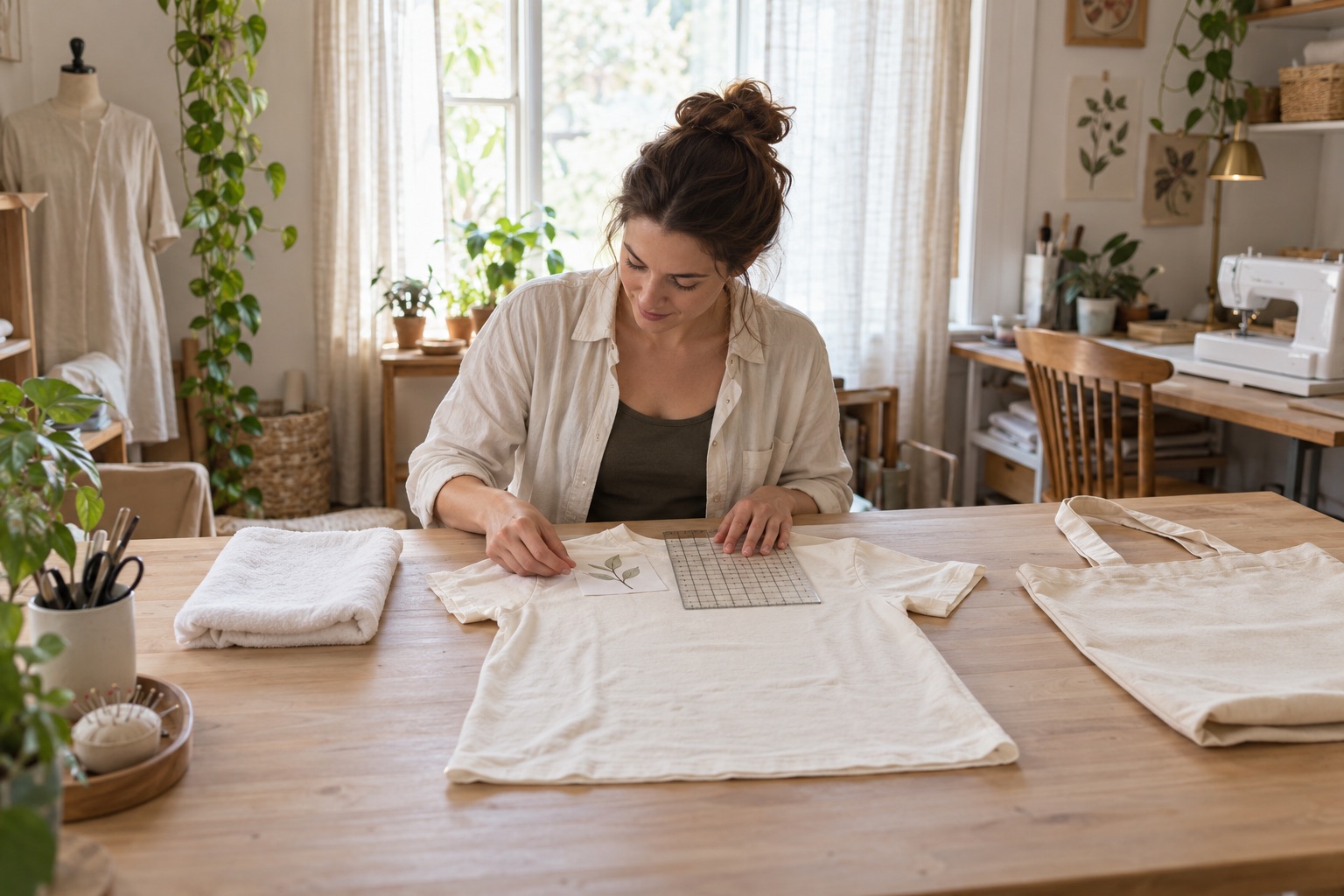 Setup and designs
Embroidery Placement Guide for Shirts, Towels, and Tote Bags
Plan embroidery placement with actual-size templates, garment reference points, and hoop checks for shirts, towels, and tote bags.
Read the guide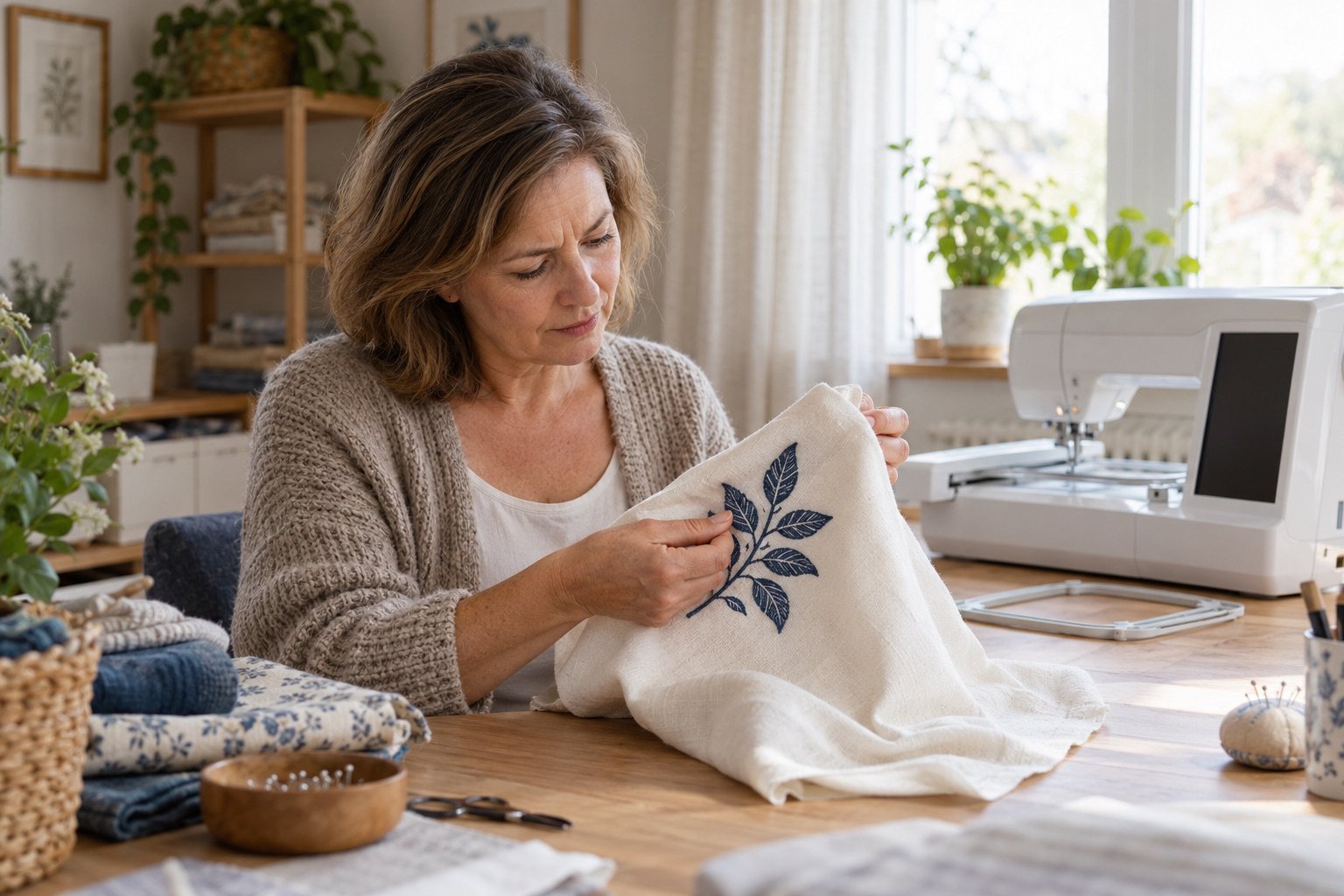 Care and troubleshooting
Why Embroidery Puckers: A Fabric, Stabilizer, and Hooping Checklist
Work through embroidery puckering with checks for fabric, stabilizer, hooping, threading, and design.
Read the guide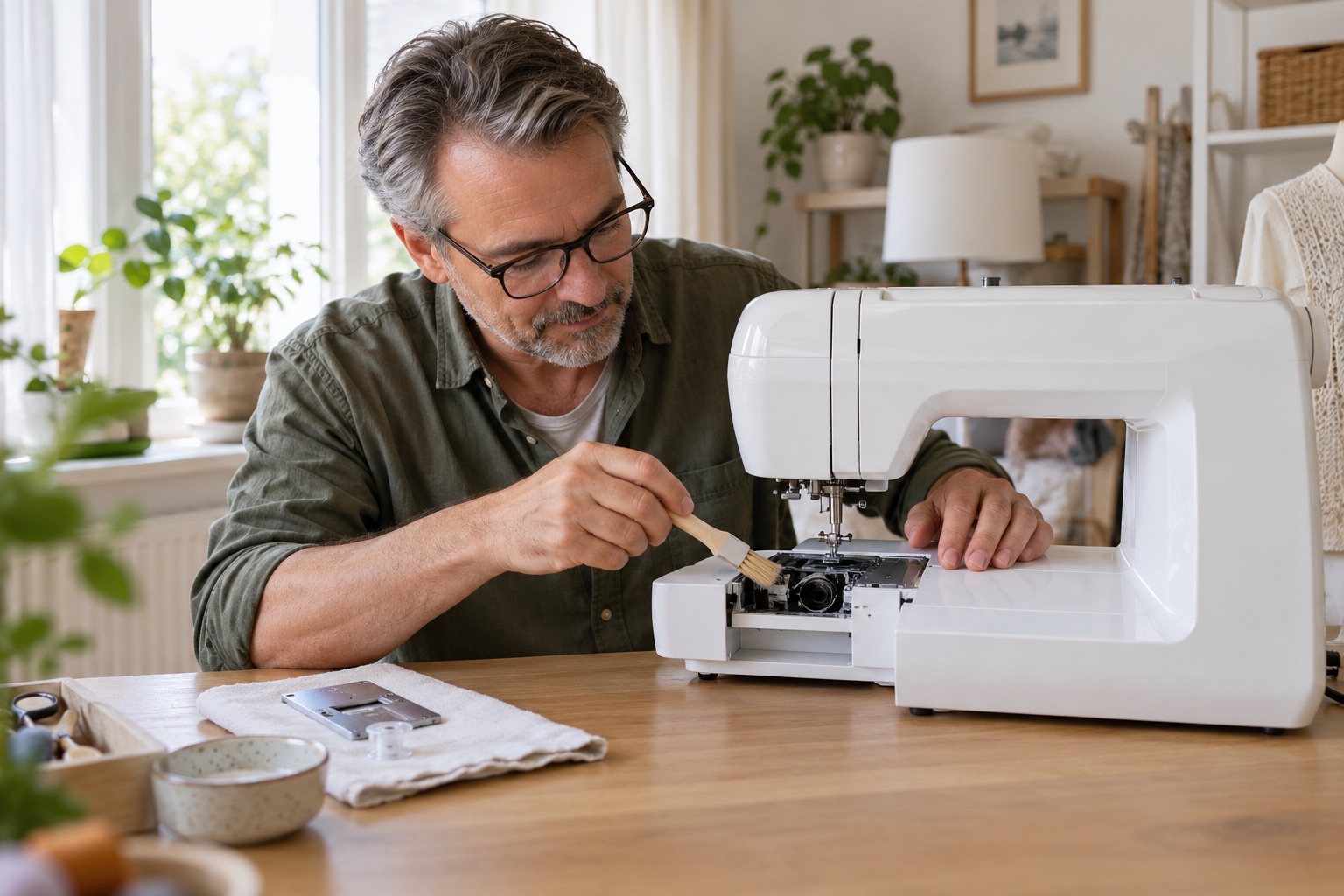 Care and troubleshooting
Embroidery Machine Maintenance: A Beginner's Care Checklist
Follow model-specific embroidery machine care: safe cleaning, needle and bobbin checks, reassembly, records, and when to seek service.
Read the guide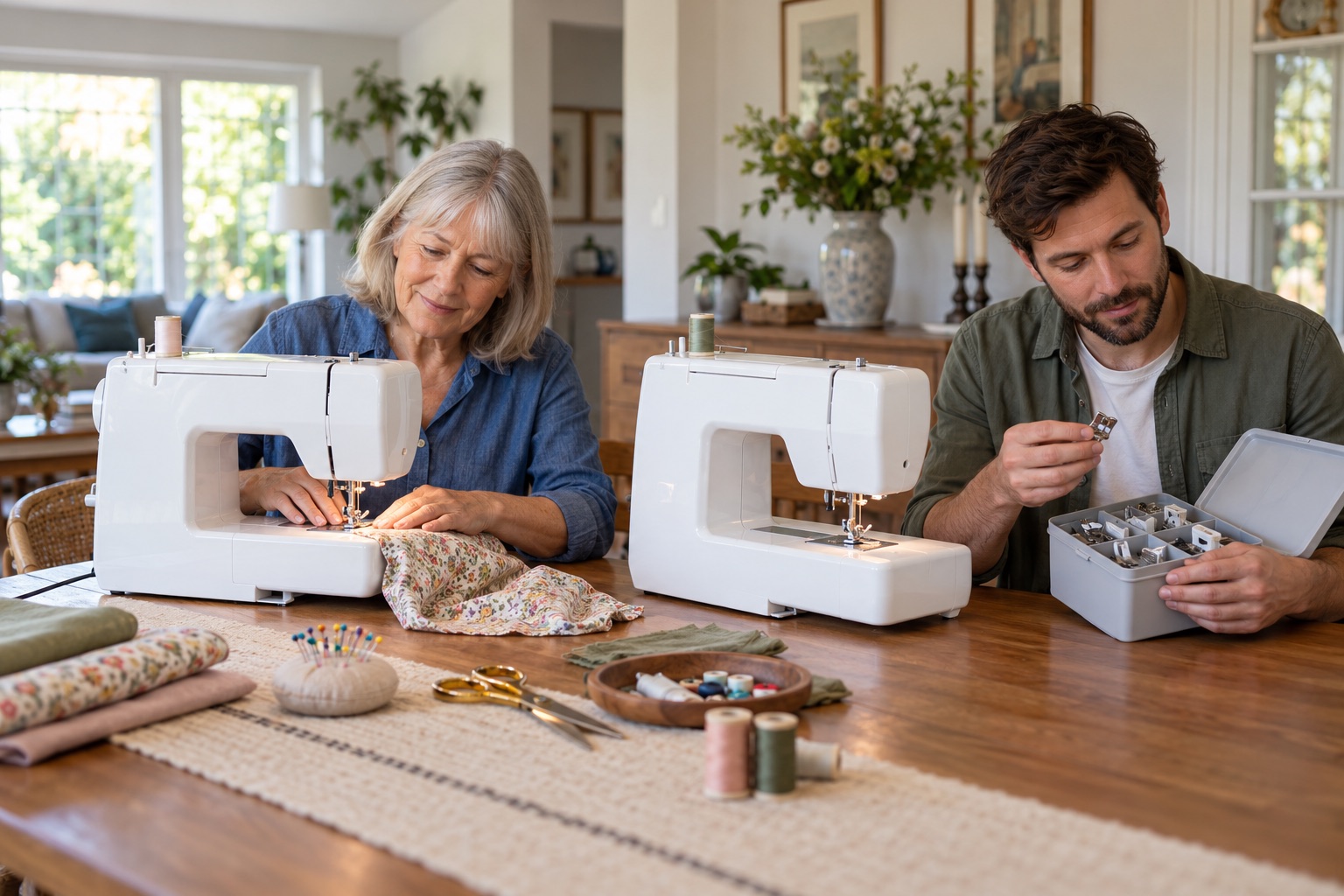 Sewing machines and sergers
Brother vs. Janome vs. SINGER: Which Sewing Machine Brand Fits You?
Compare documented entry, mid-range and heavy-duty sewing machines from Brother, Janome and SINGER to match a brand to your actual projects.
Read the guide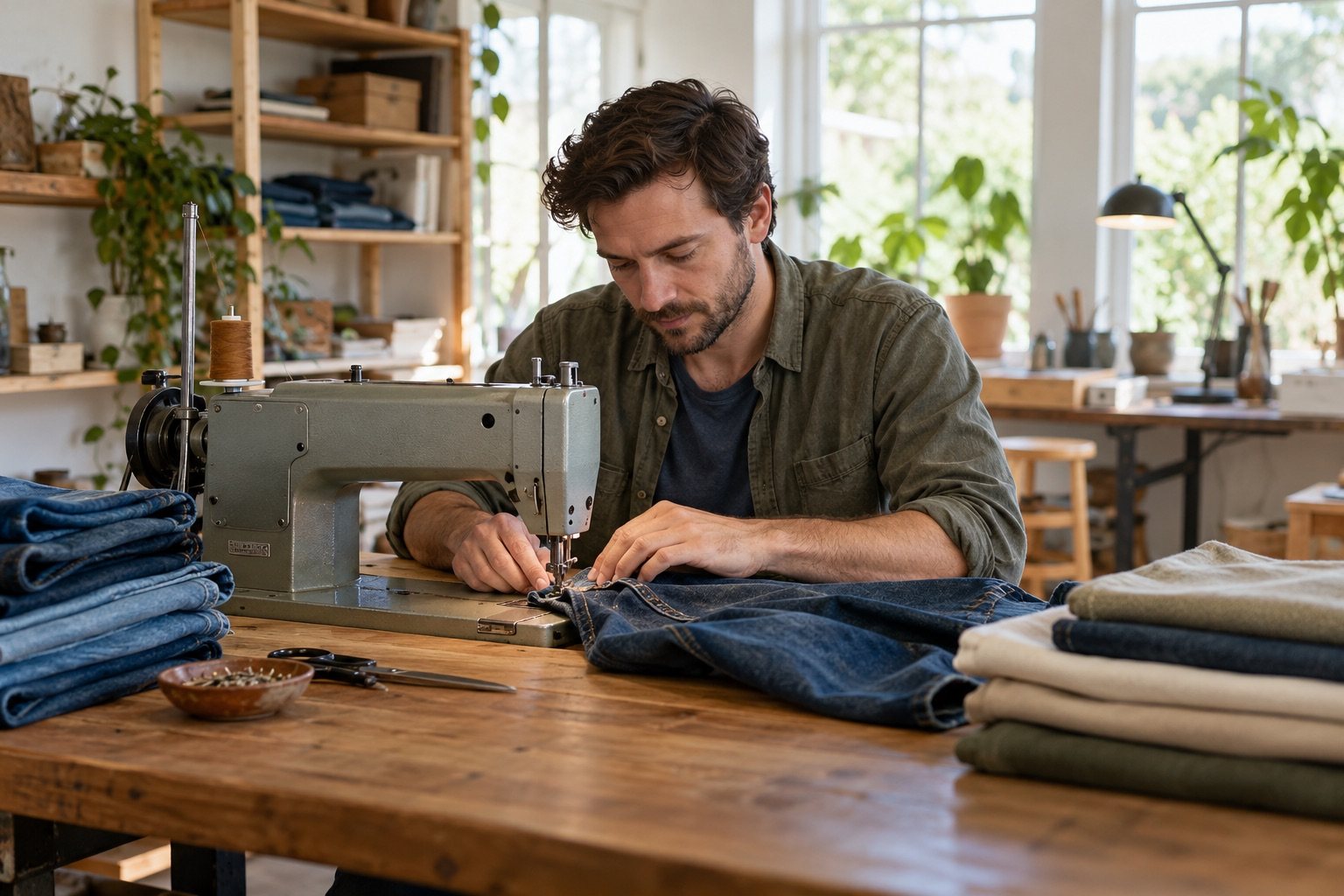 Sewing machines and sergers
Best Heavy-Duty Sewing Machines for Denim and Thick Fabric
Compare documented motor power, stitch counts and speed on SINGER Heavy Duty sewing machines built for denim, canvas and multiple layers.
Read the guide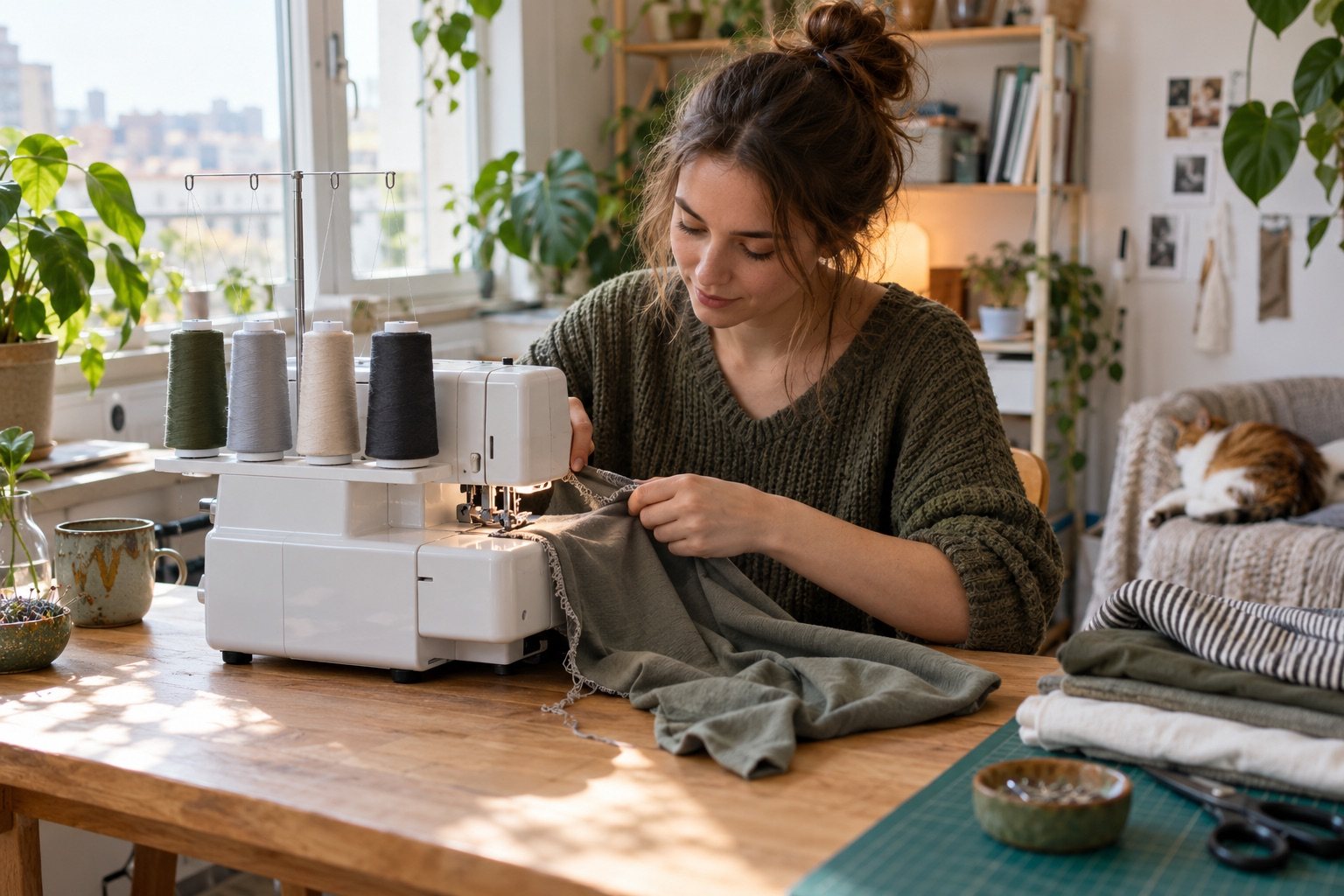 Sewing machines and sergers
Serger vs. Sewing Machine: Do You Need One?
A serger trims and finishes a seam edge in one pass; a sewing machine does not. Compare what each does before adding a second machine.
Read the guide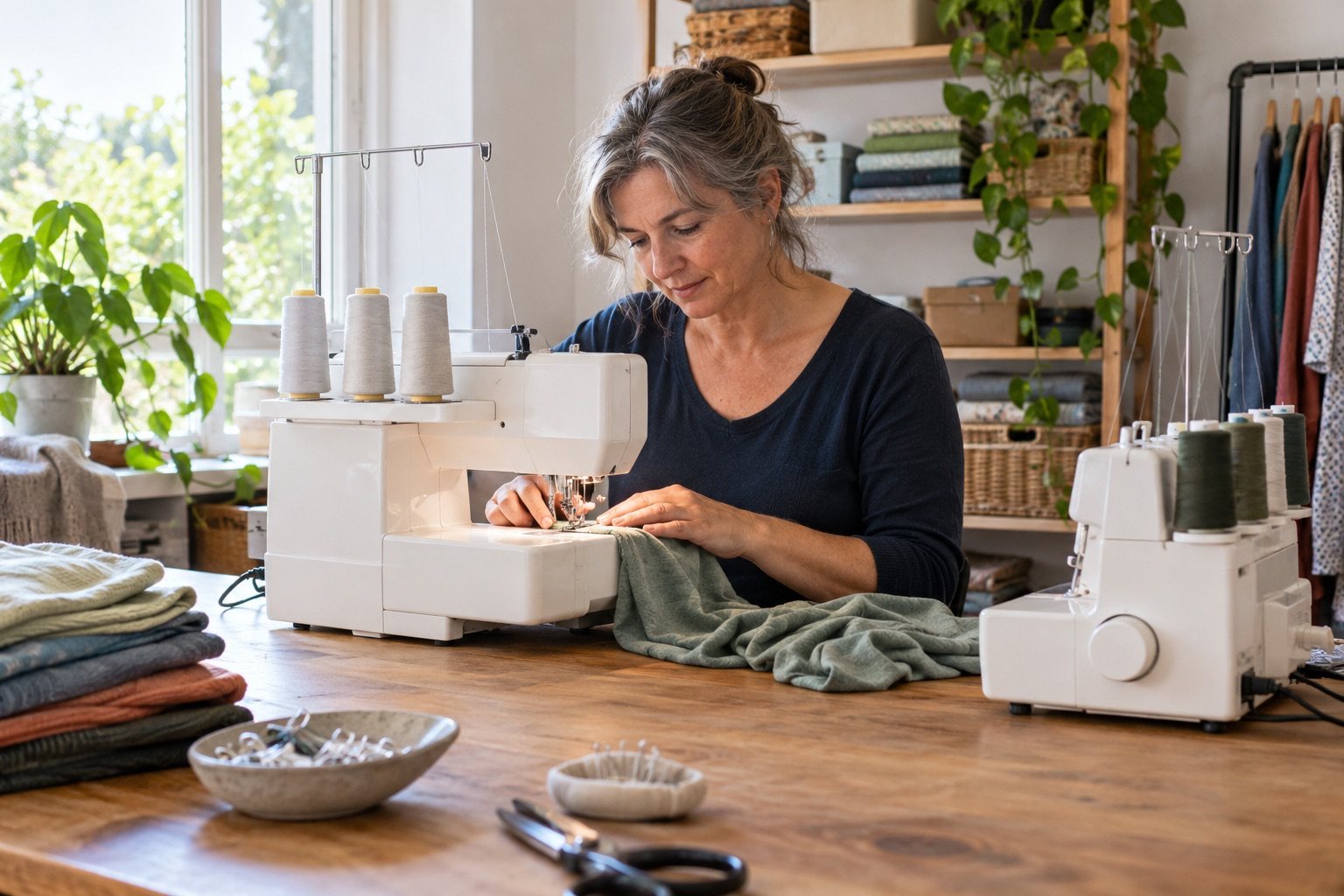 Sewing machines and sergers
Serger vs. Coverstitch: What's the Difference, and Do You Need Both?
A serger trims and overlocks a seam edge; a coverstitch machine sews a flat hem with no visible overlock. Compare what each documents.
Read the guideHow we compare and rate the machines is explained on How we rate. The rest of the team: Our editors.