
Rachel Dunmore, Stabilizer & care editor
A lot of what goes wrong after the box is open has little to do with the machine. A T-shirt that ripples around the design, a monogram that sits too low on a towel, thread that keeps snapping on the third colour. That's my corner of the site.
I work from the stabilizer charts that machine and thread makers publish, the care and maintenance pages in each manual, and a large pile of owner reviews. Reviews are surprisingly useful here. When people describe puckering, they usually mention the fabric, the backing and how they hooped it, and once you have read enough of them, the same three or four causes turn up over and over.
I write the guides on stabilizer, placement, puckering, first-day setup and maintenance, and I edit some of the others, mostly to check that the advice still makes sense to someone on their very first project.
I'm not stitching these samples myself. I read closely, compare what the manuals say, and write it down in an order you can follow at the table.
Areas of expertise
- Stabilizers: cut-away, tear-away, wash-away
- Puckering: fabric, backing and hooping
- Placement on shirts, towels and tote bags
- First-day setup and routine care
How I work
- Every stabilizer recommendation gets checked against at least one published backing chart before it goes into a guide.
- I read puckering and thread-break complaints for the fabric, backing and hooping details, not just the star count.
- Care steps come from the manual of the machine in question. If the manual says don't oil, the guide says don't oil.
- Checklists get trimmed until each step is something you can actually do at the table.
Articles by Rachel Dunmore
Written
 Setup and designs
Embroidery Machine Setup Checklist for Your First Project
Prepare your first embroidery sample with a manual-led checklist for needles, bobbins, thread, stabilizer, hooping, design transfer, and inspection.
Read the guide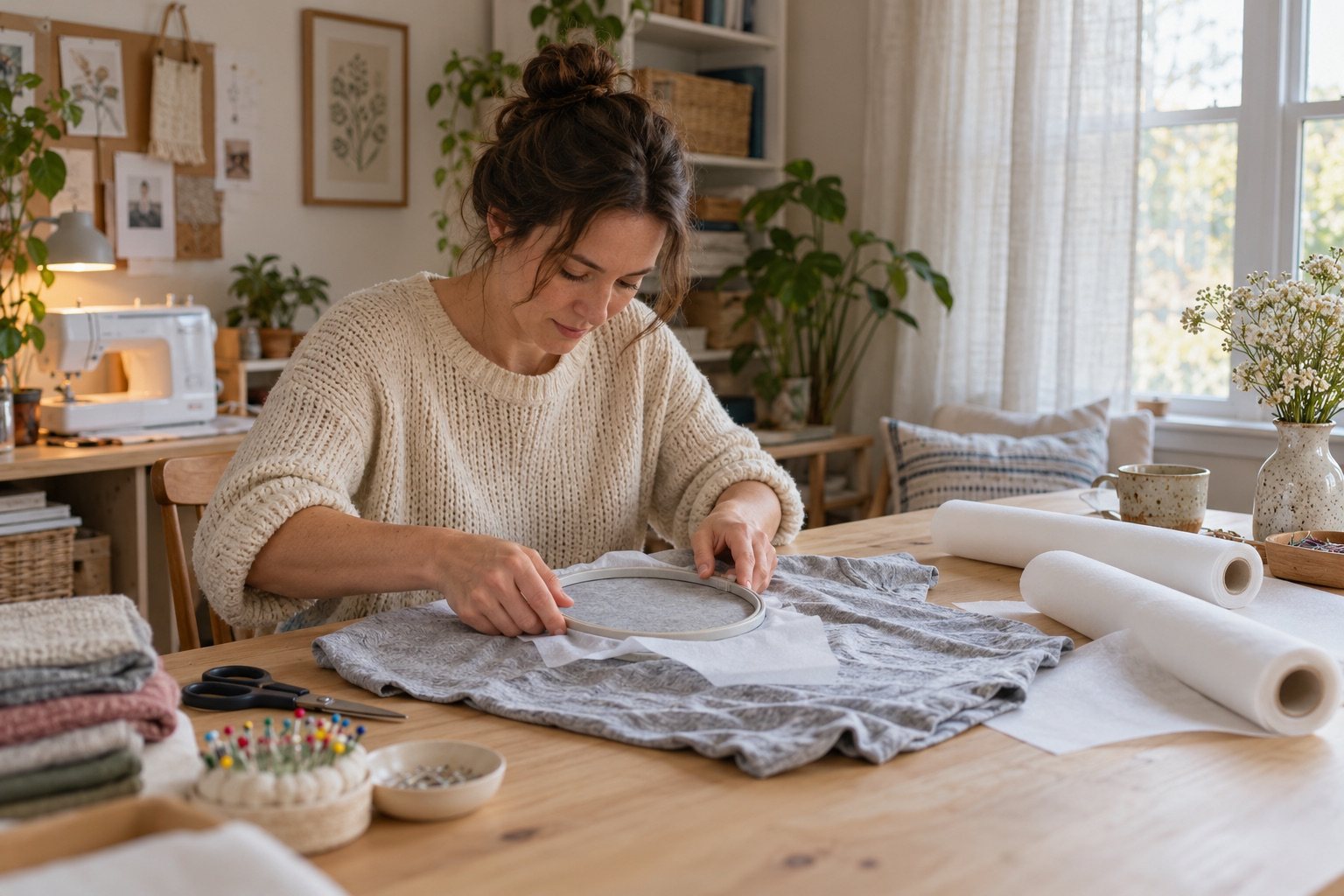 Setup and designs
Embroidery Stabilizer Guide: Match the Backing to Your Fabric
Match cut-away, tear-away, and wash-away stabilizers to fabric and design. Use a sourced starting-point matrix and check the full finishing process.
Read the guide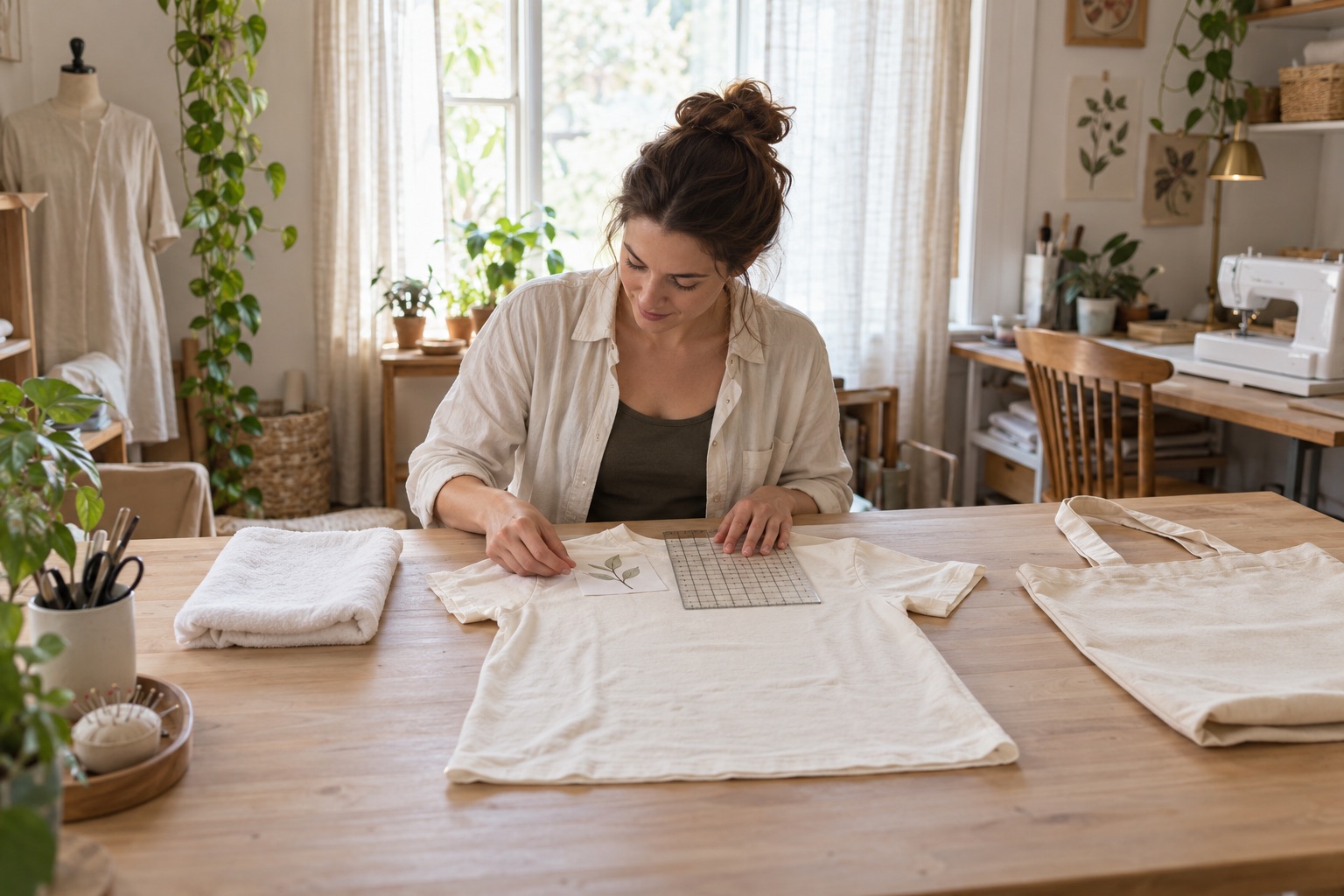 Setup and designs
Embroidery Placement Guide for Shirts, Towels, and Tote Bags
Plan embroidery placement with actual-size templates, garment reference points, and hoop checks for shirts, towels, and tote bags.
Read the guide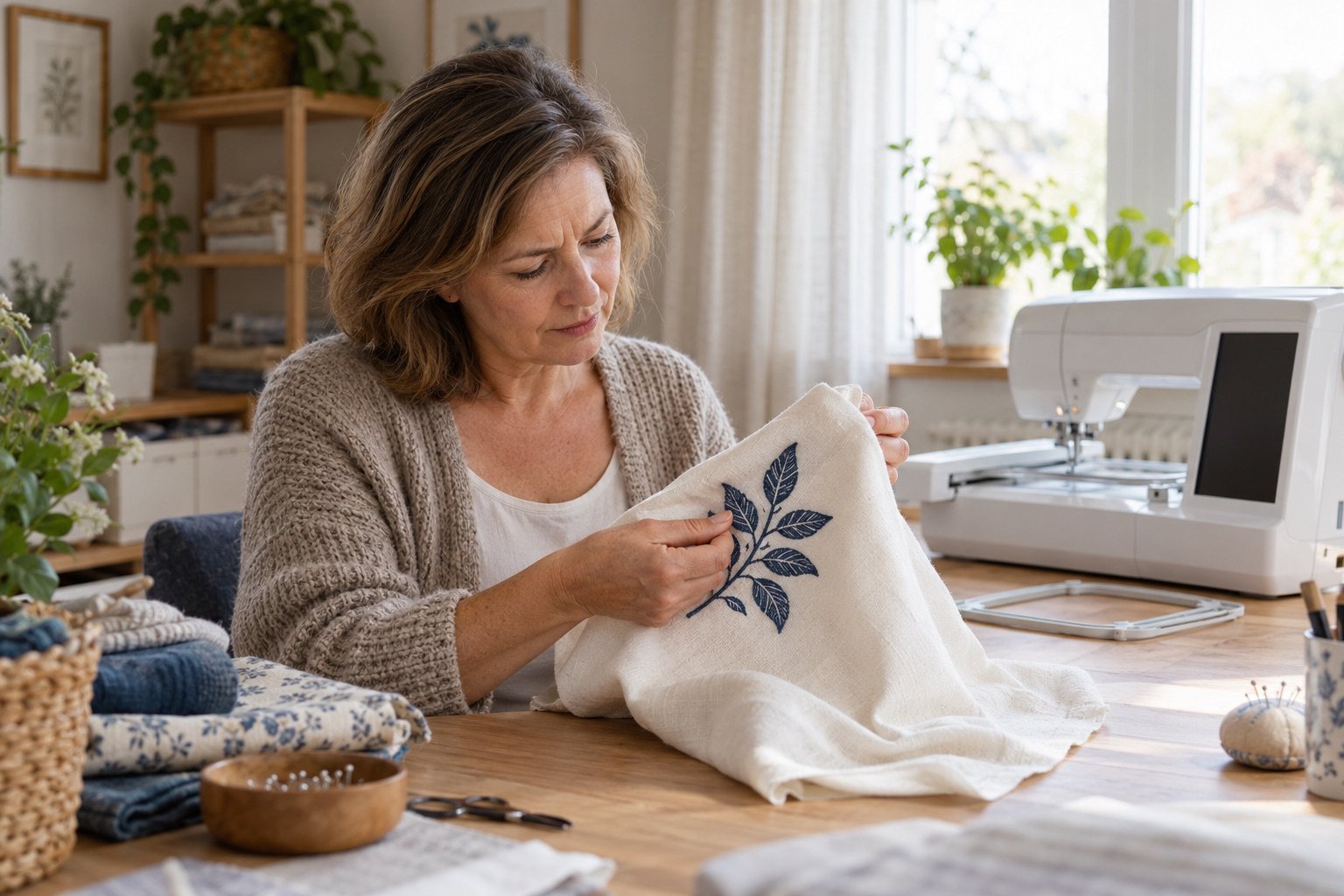 Care and troubleshooting
Why Embroidery Puckers: A Fabric, Stabilizer, and Hooping Checklist
Work through embroidery puckering with checks for fabric, stabilizer, hooping, threading, and design.
Read the guide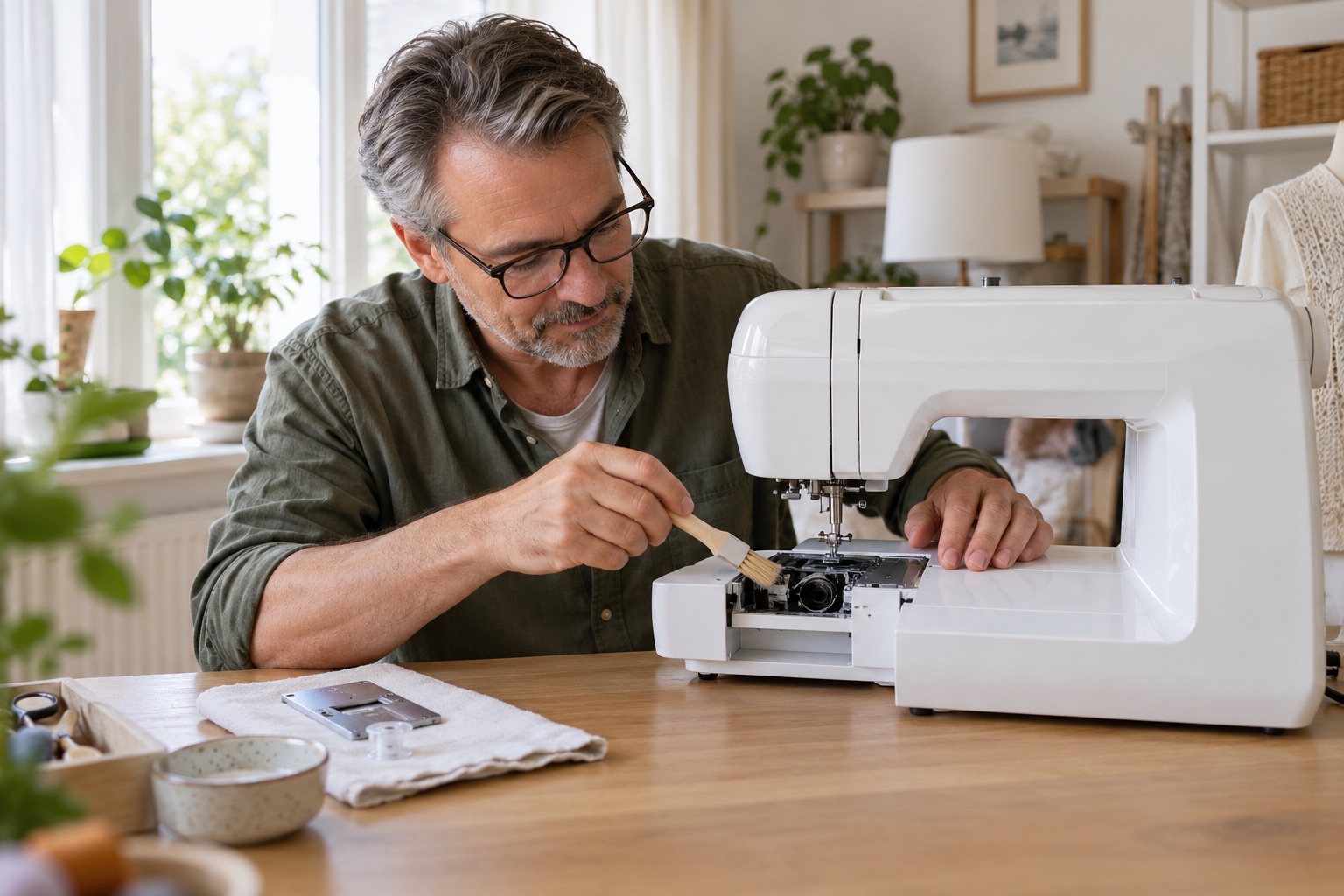 Care and troubleshooting
Embroidery Machine Maintenance: A Beginner's Care Checklist
Follow model-specific embroidery machine care: safe cleaning, needle and bobbin checks, reassembly, records, and when to seek service.
Read the guideEdited
 Choosing a machine
Embroidery Hoop Sizes Explained: Will Your Design Fit?
Separate hoop outer dimensions, embroidery field, and model compatibility. Follow a repeatable protocol to check design size and frame fit.
Read the guide Choosing a machine
The Real Cost of Starting Machine Embroidery at Home
Plan your embroidery machine budget with supplies, practice materials, software, and care costs. Use a clearly labeled example to build your own worksheet.
Read the guideHow we compare and rate the machines is explained on How we rate. The rest of the team: Our editors.